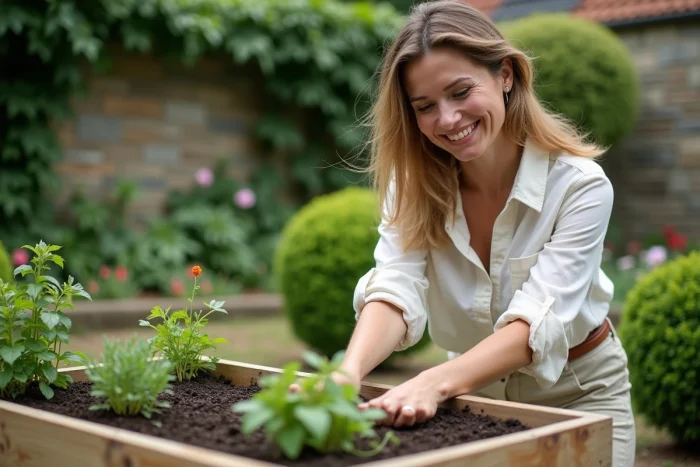
An unbalanced layout encourages the proliferation of plant diseases and attracts pests, while a wise choice of plants can naturally limit these risks. Limited spaces impose severe constraints, but they allow for surprising compositions and invite more creative landscaping solutions than in large gardens.
Some species known for their robustness become invasive in the absence of regular controls, while delicate varieties acclimatize effortlessly in unexpected environments. Selection and placement errors often reveal themselves after several seasons, highlighting the importance of thorough consideration before any transformation.
How to envision a garden that reflects you, regardless of its size?
Creating a space that aligns with your tastes is not limited to copying a magazine or improvising on the fly. Every choice, from plants to circulation, to how to occupy every nook, conveys an intention. To succeed in your garden layout, you must first observe the site: note how light changes, feel the winds, gauge the soil quality. Whether it’s an urban garden or a plot in the countryside, every constraint often hides an opportunity to reveal the garden’s character.
A modern garden cannot be imagined on a corner of a table. Start by identifying your priorities: shaded meals, space for children, a resting corner, or a communal vegetable garden? Landscaping adapts, regardless of the available size. Play with perspectives, mix volumes, alternate textures. It is the decorative elements, pebbles, wood, ceramics, that bring rhythm and serenity; the selection of plants sets the overall tone.
To create a garden that invites relaxation, combine evergreens and deciduous plants, scents and colors. Alternate trees for shade, perennials for sturdiness, and reject uniformity. Looking for ideas tailored to your needs? https://www.instant-jardin.fr/ shares customized advice, whatever your configuration constraints.
Do not neglect circulation: create obvious pathways, leave some secret passages, multiply spots to stop. Designing a garden is like writing a personal narrative, where every detail matters, where every corner has something to offer. There is no one-size-fits-all formula: it is daily attention that shapes a truly unique space.
Inspiring ideas to combine plants, colors, and atmospheres
Composing a harmonious garden requires a balance between plants, minerals, and furniture. By varying the plants, you structure volumes, give relief to the seasons, and accentuate or soften perspectives according to the desired effect. If you wish to exploit verticality, integrate climbing plants for walls or pergolas: clematis, star jasmines, honeysuckles… Their dense foliage and generous blooms energize even the smallest plot. A vertical garden optimizes every square meter, particularly on terraces or in small urban spaces.
Here are some plant families to combine to enrich the structure and life of the garden:
- Perennials: they ensure a lasting presence, limit interventions, and dress the beds all year round.
- Drought-resistant plants: lavenders, euphorbias, sedums… Their adaptability reduces water needs while promoting biodiversity.
- Bamboos: perfect for delineating space, creating natural screens, and adding a graphic touch; however, be careful to manage their growth.
The harmony of colors makes all the difference in the overall atmosphere. Favor soft shades for a relaxing ambiance, or dare to contrast for a more modern look. The decorative elements, pebbles, slates, wooden or metal furniture, punctuate the decor, and lighting highlights the volumes as night falls.
The thoughtful combination of materials with plantings gives a unique character to the whole. Wooden terraces, gravel paths, touches of stone or ceramics: everything contributes to revealing the identity of the place. Simple or bold furniture invites you to enjoy the garden in all seasons, to share, to recharge.
Essential tips to avoid pitfalls and enjoy a truly welcoming space
To ensure that the garden layout remains pleasant over time, it is better to anticipate actual use and choose durable materials to withstand the elements as well as repeated foot traffic. Opt for rot-resistant wood or local mineral materials in heavily used areas, without losing sight of harmony with the architecture of the place. Maintenance, often underestimated, conditions the pleasure of outdoor living: for a welcoming garden, favor drought-resistant plants and limit the grassed area if time escapes you.
To structure the space while maintaining a sense of openness, here are some proven tips:
- Divide the whole with low hedges or some decorative elements. This way, each area finds its use: meals, relaxation, children’s games, flowering beds…
- To save space, think of integrated seating or modular furniture. A built-in or wooden bench along a wall frees up space and invites you to settle in.
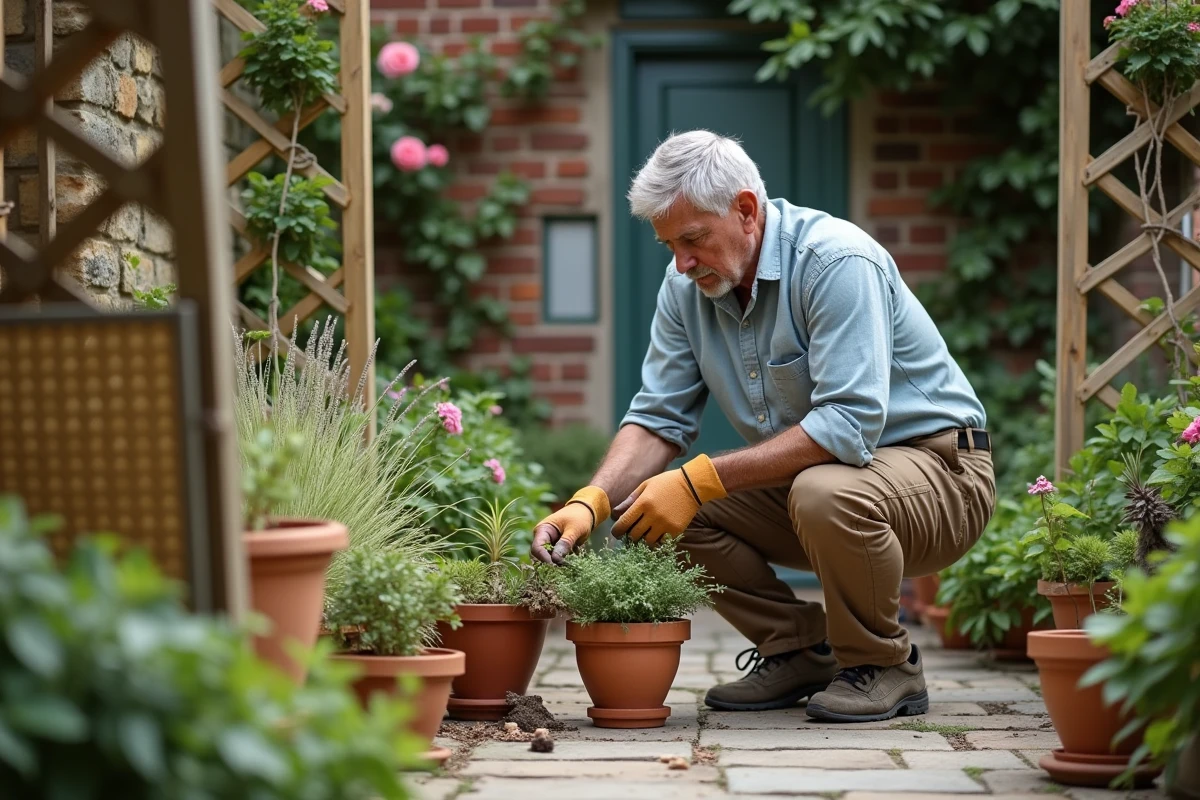
The way to move through the garden matters more than one might think: Japanese paths, gravel walkways, slabs on sand… So many solutions to facilitate movement and preserve plantings. Anticipating watering needs, managing rainwater, also helps avoid puddles and muddy areas that spoil the pleasure of being outdoors.
Garden maintenance should be considered from the design stage. Favor ground cover plants to limit the growth of unwanted weeds, choose materials that are easy to clean. For the home layout to interact with the garden, pay attention to transitions: a wooden terrace extending from the living room, a well-chosen alignment of pots to punctuate the entrance. More than just a simple decor, the garden then becomes a true extension of daily life, both lively and welcoming.
The magic of a well-thought-out garden does not only rely on initial choices: it reveals itself over the seasons, in the surprise of a bloom, the play of shadow on a path, or the joy of returning again and again. That is the art of a space that breathes, evolves, and truly reflects you.