A stark figure, without appeal: some companies show a retention rate that is 20% higher after the arrival of a sports customer area. Brands that dare to integrate devices related to physical activity often see their loyalty surpass those that settle for traditional benefits. Certainly, one must commit to an initial investment. But the returns sometimes exceed all forecasts, both in duration and intensity of the customer relationship.
This shift no longer concerns just the giants of the sector. Local SMEs and startups are seizing it, energizing their approaches and shaking up traditional loyalty codes. We are witnessing a fundamental movement, where innovation rhymes with well-being and new forms of interactions.
Why Sports Customer Areas Attract and Sustain Loyalty
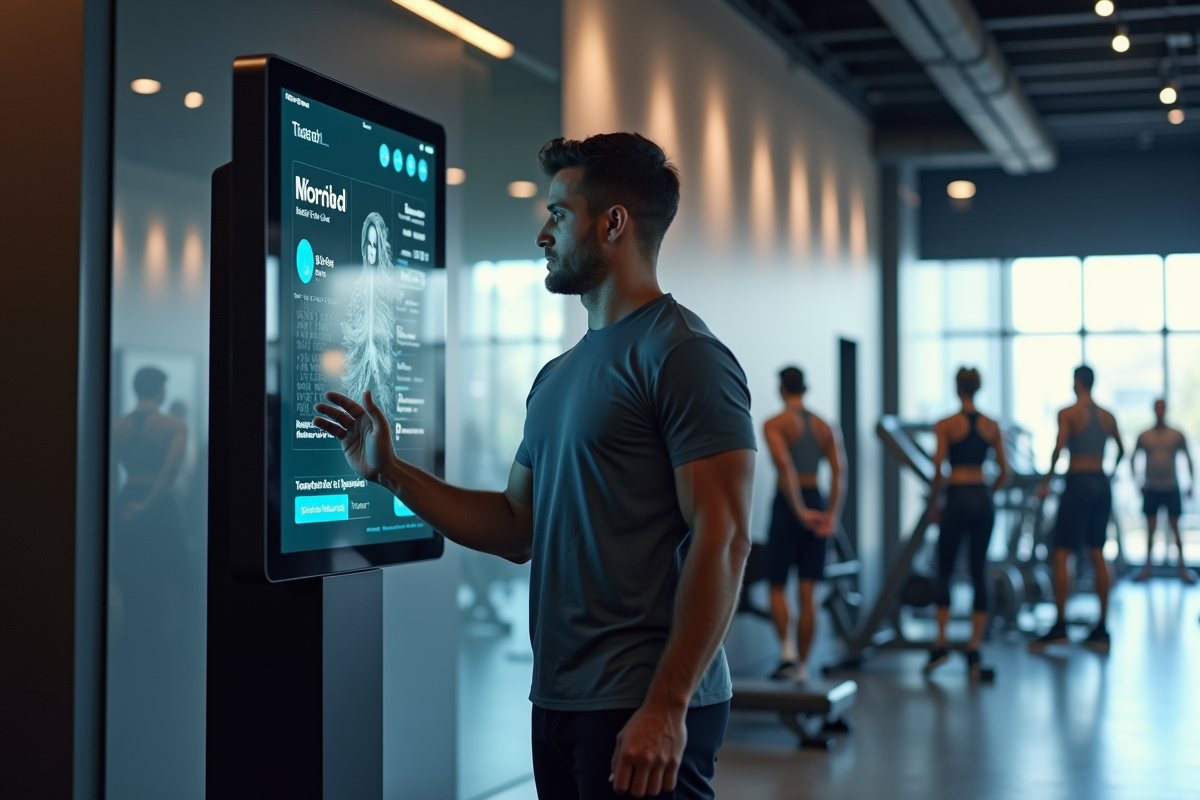
The appeal of sports customer areas does not come out of nowhere. These personalized platforms redefine how clubs, brands, or retailers communicate with their members. Customer loyalty takes root in a reimagined experience, where each contact becomes a true driver of engagement. Accessing one’s personal space, such as through the MyF login, transforms the relationship: everything becomes smoother, more intuitive, more in line with current expectations.
Users no longer expect simple point cards. Now, the customer loyalty tools integrated into the personal space offer a range of benefits: priority access to private sales, exclusive content, invitations to events, tailored recommendations. Recognition of individual engagement is also displayed right on the homepage, with purchase history or training statistics. The result: the sense of belonging takes on a new dimension.
A responsive customer service, transparent management of requests, the ability to interact with the team or join an active community… all of this forms the backbone of a loyalty strategy designed to last. These spaces personalize the relationship, adapt messages, and orchestrate informed follow-ups via CRM. The customer feels recognized, identifies with a community where the values of performance, surpassing oneself, and sports enjoyment resonate day after day.
Customer loyalty is also nourished by exclusive content: video tutorials, athlete interviews, reserved offers. The sports customer area becomes a hub of exchanges, a reference point where every detail matters to strengthen the bond and turn the user into a true ambassador.
Inspirations and Concrete Levers to Build Winning Partnerships Between Companies and Sports Stakeholders
The customer relationship in the sports world is being reinvented through flexible partnerships designed to serve both clubs, gyms, and partner companies. This hybrid model relies on concrete solutions, such as RFID smart lockers: sports storage becomes connected, personal belongings are more secure, and comfort significantly improves.
Local sports events emerge as a true laboratory of ideas: collaboration with sporting goods stores to equip participants, creation of tailored loyalty programs for practitioners, engagement around common causes like a recycling program for sports equipment. Content marketing finds an ideal playground here, stimulating engagement through agile digital platforms.
Technology, driven by IoT and machine learning, is evolving the standards of customer relationship management. Usage analysis, anticipation of expectations, adaptation of services: CRM becomes more refined and effective. Some sports companies, in France and elsewhere, are seeing an increase in their revenue and a positive impact on the welfare of employees involved in corporate sports.
Here are some levers to explore to enhance the impact of these collaborations:
- Deploy interoperable tools to provide a coherent customer experience
- Create bridges with clubs to highlight exclusive content
- Invest in innovation to energize customer loyalty
The success of these alliances relies on a shared willingness: to bet on involvement, maintain a high level of service, and multiply dialogue spaces among the various stakeholders. One does not build an engaged community by chance; it must be nurtured, listened to, and sometimes daringly step off the beaten path. This is what makes the difference in the realm of sports loyalty.