In France, the date of Mardi Gras varies each year according to the liturgical calendar, systematically disrupting the schedules of families and schools. Some regions maintain customs that date back to the medieval period, while others have seen their traditions evolve or disappear under the pressure of modernity.
From donuts to costume parades, the rituals sometimes differ from one village to another, revealing a patchwork of lesser-known local practices. The origins of these celebrations, often surprising, testify to a collective history marked by inventiveness and adaptation.
Mardi Gras in France: A Colorful and Surprising Celebration
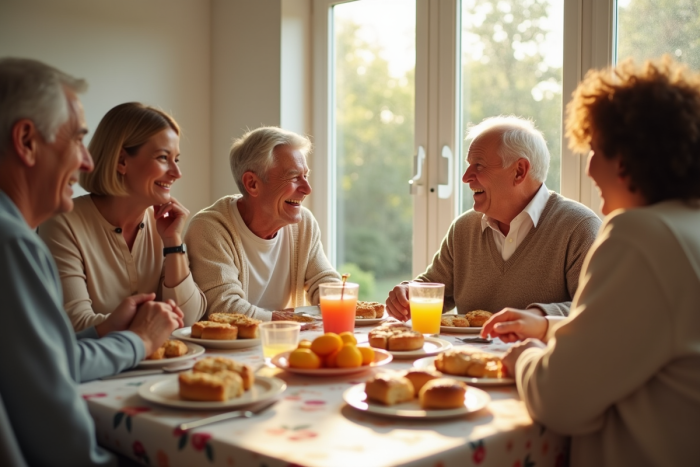
It’s hard to summarize Mardi Gras as just a simple carnival. In France, this family celebration overflows with energy and relies on a popular heritage that is as rich as it is vibrant. Behind the masks and confetti, there is a mosaic of rituals that are constantly passed down and reinvented. Schools, as a breeding ground for secularism and creativity, organize parades each year where students and teachers don costumes, giving the tradition a renewed and collective face. In many households, making donuts or crepes becomes a must: the gestures are repeated, memories circulate, and the family table becomes a place of complicity, where skills and memories are quietly perpetuated.
The diversity of regions is expressed as much in the displays of bakers as in the bustling streets: in Lyon, golden bugnes compete for attention with the wonders of the Southwest. In the North, colorful parades dominate, while the West focuses on the art of the mask. These traditions, sometimes discreet, sometimes dazzling, reflect a fierce desire to preserve a family identity, whether rooted in a village or shared on a city-wide scale.
Some long-silenced celebrations are resurfacing. The Day of the Sons perfectly illustrates this rediscovery of celebrations with sometimes unsuspected roots. We are witnessing a strong resurgence of these unique days, driven by the desire to find meaning, to reconnect with what strengthens and unites families. Customs, transmitted stories, and shared values are regaining momentum and finding their place in everyday life.
Astonishing Regional Traditions That Keep the Spirit of Mardi Gras Alive
Depending on the region, the atmosphere, flavors, and colors of the celebration differ dramatically. In Dunkirk, the carnival is experienced as an unmissable event: the entire city plunges into joy and excess, led by fishermen who throw herring from the balcony of the town hall. In Nice, it’s all about floral extravagance: the floats compete in creativity, and flower battles transform the Promenade des Anglais, all thanks to the craftsmanship of local artisans and confectioners.
In Provence, the calm of a crepe evening is preferred, a recipe passed down quietly, generation after generation, in the cocoon of the family kitchen. In Limoux, the carnival lasts not just one day but several weeks. White masks, music, and age-old traditions rhythm the daily life of the village. Paris, on the other hand, plays the card of boldness. Costume outings in the gardens, unusual walks to the castles of Île-de-France: the capital blends art, heritage, and nature to reinvent the celebration in its own way.
Here are some examples that illustrate the variety and richness of these traditions across the country:
- In Strasbourg, the Alsatian carnival draws inspiration from both Germanic customs and local folklore, offering a unique atmosphere in the region.
- In Annecy, the Venetian carnival transforms the city into a fairy-tale scene, where costumes and masks compete in sophistication along the canals.
- Granville and Cholet stand out for their lively and popular parades, where collective spirit and conviviality take precedence over everything else.
Everywhere, shared family activities, games, and outings leave a unique imprint. Every gesture, every laugh, every moment spent together carries the mark of a territory and a memory that refuse to dissolve. France, from its villages to its large cities, asserts itself as a vast landscape of living celebrations, where family creativity continues to renew itself.
What will remain of these celebrations in fifty years? Perhaps new customs, born from the current mix, but always this need to gather, to invent, and to vibrate the collective memory around a mask, a donut, or a shared song.