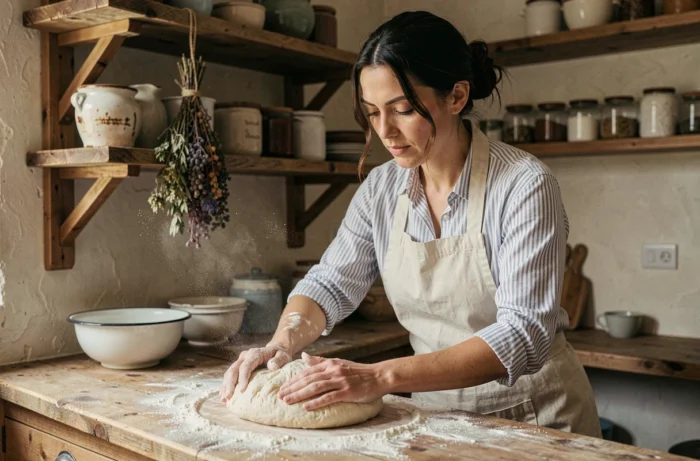
In France, households threw away 19 kg of still-edible food per person in 2024, according to the Statistical Data and Studies Service (SDES). This figure is a reminder that family cooking is about more than what happens at the stove: it also depends on how we plan menus, portions and leftovers.
Meanwhile, the heatwaves of summer 2026 changed eating habits: lunchtime meals became less common, while dinner shifted to later in the evening, with a clear preference for fresh produce and uncooked dishes. Preparing delicious recipes for the whole family therefore means working with these realities rather than simply piling up meal ideas.
Family meals in hot weather: fresh recipes that keep you satisfied
When temperatures rise, gratins and slow-cooked dishes lose some of their appeal. For families, the challenge is to serve satisfying meals without turning on the oven.
Legume-based salads (with lentils, chickpeas or kidney beans) are a practical solution. A green lentil tabbouleh with cucumber, tomatoes, mint and lemon takes about 20 minutes to prepare. Legumes provide protein and fibre, helping stave off the mid-afternoon slump. The PNNS also recommends including them more regularly in our diets, alongside whole grains.
Cold wraps are another great option for children. Spread hummus on a whole-wheat tortilla, then add grated raw vegetables and cold chicken or flaked tuna. Each family member can fill their wrap to suit their tastes, solving the problem of differing preferences without having to prepare several dishes. More ideas for delicious seasonal recipes can be found at https://www.mesgourmandises.com, including simple variations to make at home every day.
Gazpacho and chilled vegetable soups (tomato and pepper, cucumber and yoghurt, or courgette and mint) are another quick option. Blend, season and chill: active kitchen time rarely exceeds ten minutes.
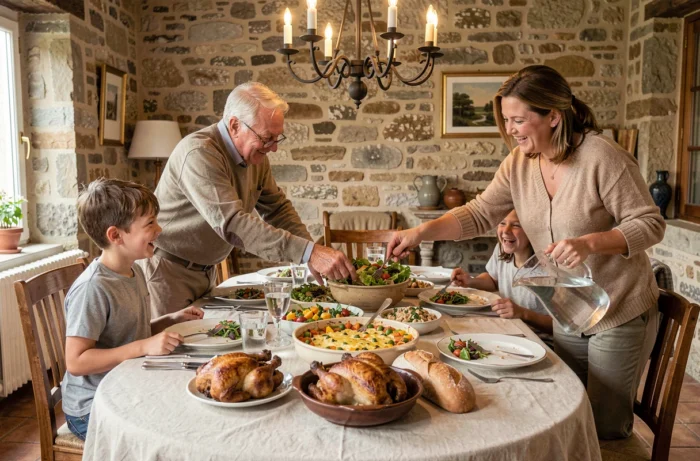
Cooking with leftovers: waste-free recipes for the week
The SDES estimates that 3.9 million tonnes of still-edible food waste were produced in France in 2024 across all stages of the supply chain. Households account for a significant share. Turning leftovers into tasty meals is as much about enjoying good food as it is about common sense.
Three recipes you can make with everyday leftovers
- Vegetable and leftover-starch bake: mix pasta, rice or potatoes with cooked vegetables, top with a light béchamel sauce and grated cheese, then bake for about 20 minutes. This dish can use up almost any leftovers in the fridge.
- Store-cupboard quiche or savoury tart: use shortcrust pastry, eggs beaten with a little cream, and whatever you have on hand (a piece of ham, leftover spinach, roast chicken or an opened pack of cheese). Quiche is the ultimate family-friendly way to use up leftovers.
- Cantonese-style fried rice: leftover cooked rice, assorted vegetables cut into small dice, a beaten egg and a dash of soy sauce. Ready in ten minutes, it’s a hit with children and adults alike.
The principle is always the same: a binder (egg, sauce or stock), a starchy base, and vegetables or protein that need using up. This habit means fewer shopping trips, less waste and less time spent staring into an open fridge wondering what to make.
Staggered mealtimes and family schedules: dishes that can wait
In many households, not everyone eats at the same time. The children have dinner early, one parent gets home later, and a teenager grabs a snack between activities. A single family meal reheated three times often loses all its appeal.
Some recipes reheat better than others or can be served in stages. Slow-cooked dishes (chicken and vegetable curry, ratatouille, chilli con carne or red lentil dahl) can even taste better after resting. A curry made in the morning develops more flavour and can be reheated in three minutes in the evening.
Dishes assembled at the last minute offer another solution. Prepare a base (rice, couscous or pasta) and a topping (homemade tomato sauce, roasted vegetables or cooked protein) separately, so everyone can serve themselves when they get home. A bowl meal works on the same principle: a grain, a protein, raw or cooked vegetables, and a sauce. Each serving is fresh when it’s time to eat.

Adjusting portions without wasting food
Instead of cooking for an exact number of people, prepare a generous amount of a starchy base and portion out the accompaniments as needed to avoid unnecessary leftovers. Any extra rice, pasta or potatoes can then go straight into the next day’s waste-free recipes, following the approach outlined above.
Legumes and vegetables in family meals: more than just a side dish
The PNNS guidelines encourage people to include more pulses, fruit and vegetables, and whole grains in their daily diet. In practice, legumes often remain a side dish or a “healthy” meal that children turn their noses up at.
A few recipes show how to make them delicious without resorting to tricks. Red lentil dahl with coconut milk, served with basmati rice and a squeeze of lime, makes a complete meal with a mellow flavour that most children will accept. Paprika-roasted chickpeas, crunchy and lightly salted, make a great alternative to crisps as a snack or appetiser.
Combining legumes and starchy foods in the same dish (pasta with white beans in tomato sauce, or couscous with chickpeas) provides enough protein without meat or fish. This approach suits families who want to cut back on animal protein on some evenings without switching to a fully vegetarian diet.
The most sustainable family recipes are those that accommodate the realities of everyday life (schedules, heat and leftovers) rather than ignoring them. A dish that reheats well, can be adapted to everyone’s tastes and uses up what’s in the fridge ticks more boxes than a spectacular but inflexible recipe. Family meals are truly delicious not because they’re complicated, but because they can adapt.