
The automation of technical incident management has transformed support processes in the automotive sector. Some vendors impose limitations on the number of tickets or users, while others natively integrate artificial intelligence to accelerate request resolution. The gap between all-in-one solutions and specialized tools is widening, complicating the comparison of offerings.
In 2025, the rapid evolution of needs requires a reevaluation of traditional selection criteria. Major platforms now display advanced features, but their actual effectiveness heavily depends on the operational priorities of each company.
2025 Overview of Automotive Support Platforms: What Changes and Expectations for Users?
2025 already resonates as a pivotal year for automotive support service management. On the ground, expectations are rising: speed of intervention, intuitive interfaces, adaptation to specific needs. Fleet managers, technicians, and customer service managers are no longer satisfied with just resolving incidents. They are now looking for solutions capable of centralizing vehicle data, anticipating breakdowns through predictive analysis, automatically managing service commitments, and streamlining communication across all channels.
Automotive support platforms are taking on a new dimension. Far from being just a help desk tool, they orchestrate the entire journey, from request registration to detailed report generation. The integration of fleet management modules, self-service spaces, and updated knowledge bases redefines the user experience while boosting the productivity of support teams.
Automation is becoming essential everywhere. Workflows flow seamlessly, tickets are assigned to available agents based on their skills, and targeted notifications arrive at the right moment. For managers facing the growing diversity of vehicle fleets, this software represents the expected response to the complexity of the sector. Quick access to history, customization of client portals, reliability of reports: these are all levers that make a difference when choosing a platform.
Let’s take a closer look at a concrete example: Autossimo stands out for its ability to offer ready-to-use features while remaining adaptable to the realities of each profession. This solution perfectly illustrates the ongoing transformation: it is no longer just about processing a request; it is about proactively managing the entire customer relationship. Pressure on deadlines, openness to new channels such as social media or phone: service assistance software is constantly evolving and becoming the pillars of fleet management and customer satisfaction.
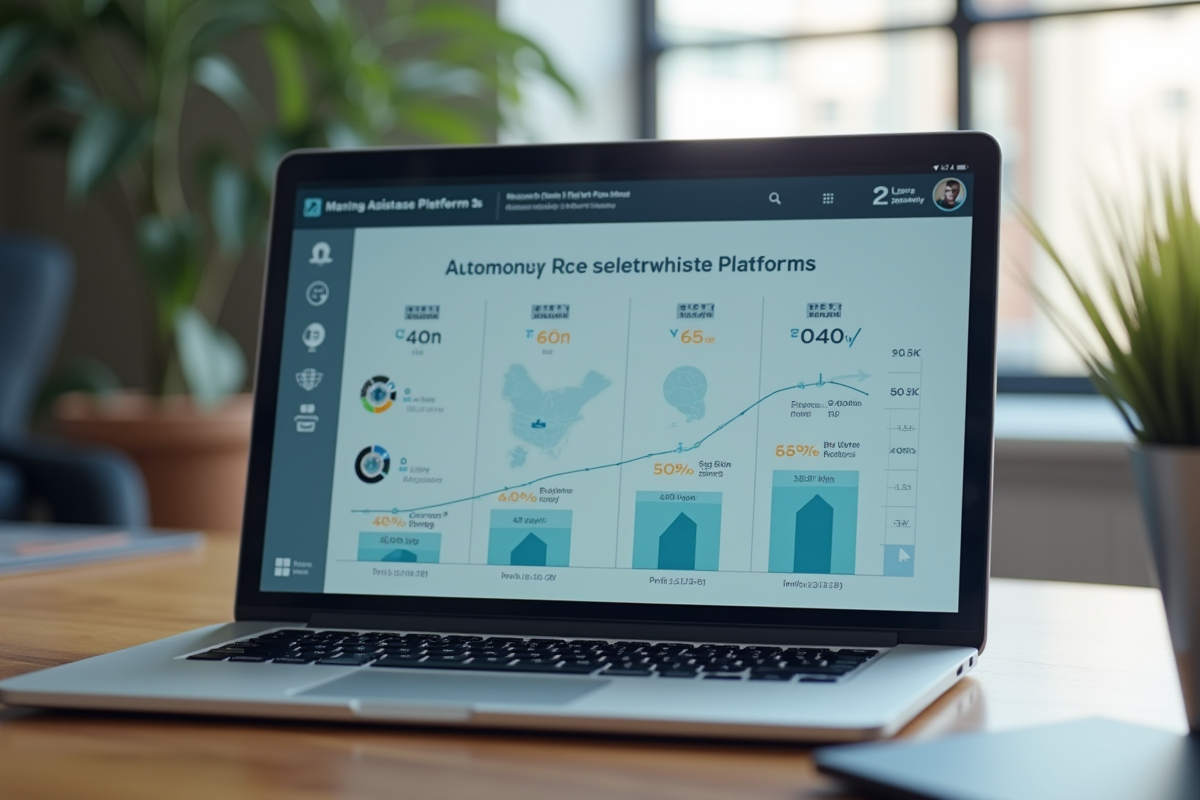
Key Features to Compare When Choosing the Best Automotive Support Service Software
Choosing a automotive support service software is never just about comparing prices or judging the appearance of an interface. Fleet management and customer support professionals primarily examine the richness of the proposed key features. Their goal: to streamline the management of support tickets, ensure exemplary traceability, and minimize response times.
The automation of ticket processing has become a requirement. Dynamic assignment based on load and expertise of agents, alerts on SLA, notifications across multiple channels: every minute saved counts in customer satisfaction. Fleet management modules now offer detailed tracking of vehicles, provide access to complete history, and allow for in-depth analysis of recurring breakdowns.
The self-service portal, often overlooked, significantly changes the game. It allows customers to submit their requests, monitor their processing, and access an updated knowledge base, thereby alleviating the burden on internal teams. As for the activity reports generated on the fly, they provide a clear view of service desk performance and inform strategic decisions.
Here are the features that concretely make a difference when choosing a solution:
- Workflow automation: structure your processes and gain responsiveness for each customer request.
- SLA management: meet your contractual commitments with precise alerts and dedicated dashboards.
- Multichannel integration: consolidate requests received via phone, email, or social media, all from a single interface.
The free version offered by some platforms can serve as a starting point to test functionality and ergonomics, but transitioning to professional management requires tools capable of supporting the growth of the vehicle fleet as well as the complexity of services. Needs are evolving quickly: only adaptable platforms will remain in the race.
The landscape of automotive assistance software is no longer a fixed terrain. Expectations are rising, criteria are refining, and the choice of a solution now engages the entire fleet management dynamic. In this race for efficiency, every detail counts, and even the slightest feature can make a difference on the ground.