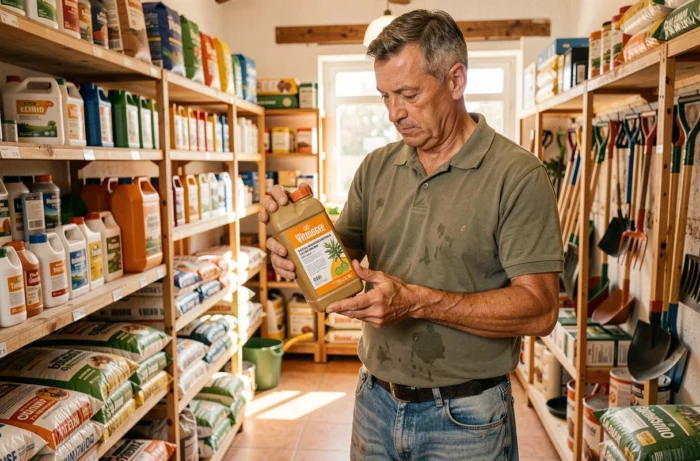
Glyphosate 360 refers to a systemic herbicide with an active substance concentration of 360 g/L. In Portugal, as in the rest of the European Union, the active substance glyphosate is approved until December 15, 2033, according to the implementing regulation (EU) 2023/2660. This European approval does not mean that every commercial product labeled “360” is automatically authorized for sale in Portugal: each herbicide must have its own national authorization.
Portuguese Register of Plant Protection Products: The Starting Point
Before purchasing an herbicide in Portugal, the first check is on the official register of the DGAV (Direção-Geral de Alimentação e Veterinária). This database lists the plant protection products that are authorized for marketing in Portugal, along with their authorization number, approved uses, and conditions of use.
Two products containing glyphosate at the same concentration may have very different authorizations, uses, and restrictions. A Roundup sold in France or Spain does not necessarily have the same label as a product sold in Portugal. Transposing instructions from one country to another is a regulatory error.
To delve deeper into the regulations and supply chains specific to farmers, L’Herbe sous le Pied articles detail the procedures suited to the Portuguese context.
Checking a Product in the DGAV Database
The consultation of the register is done online on the DGAV website. Search for the exact commercial name of the product (for example, a Syngenta brand formulation or a local generic version) and not just the mention “glyphosate 360”. The register indicates the crops and situations where the herbicide can be applied, the maximum doses, and the pre-harvest intervals.
If the product does not appear in this database, its sale and use in Portugal are illegal, regardless of its origin within the EU.
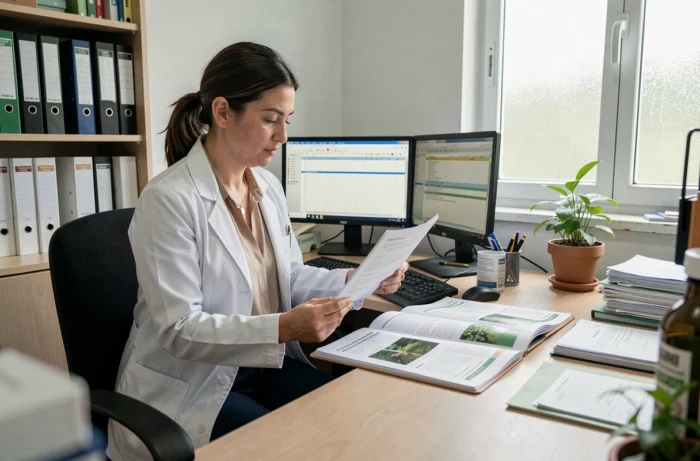
Conditions for Purchasing Glyphosate in Portugal Based on Buyer Status
The European regulation (EC) No. 1107/2009 governs the marketing of plant protection products, but access conditions vary according to the buyer’s profile. Portugal distinguishes between agricultural professionals and individuals.
- Agricultural farmers and professional operators must hold an autorização de aplicação (application authorization) issued after certified training in the use of plant protection products. This training covers safety, dosage, and environmental protection.
- Service companies (prestadores de serviços) that apply herbicides on behalf of third parties must be registered with the DGAV and have a qualified responsible technician.
- For individuals, access to concentrated professional formulations (including glyphosate 360) is restricted. Only preparations classified for non-professional use, often at reduced concentrations, are available without certification.
In practice, a reputable supplier will ask for proof of qualification before selling a professional product. The absence of this verification is a warning sign regarding the reliability of the seller.
Reliable Suppliers of Glyphosate 360 in Portugal: Selection Criteria
The Portuguese herbicide market is divided among agricultural cooperatives, specialized distributors, and online platforms. Not all offer the same guarantees.
Agricultural Cooperatives and Authorized Distributors
Cooperatives (cooperativas agrícolas) are the historical channel. They sell products listed in the DGAV register, issue invoices compliant with Portuguese tax legislation, and verify the professional status of the buyer. Major brands like Syngenta or Bayer distribute their Roundup formulations and generics through these networks.
Specialized agricultural supply distributors (lojas agrícolas) operate on the same principle. They have a visible DGAV approval number in-store or on their website.
Online Purchasing from Portugal
Several European platforms offer delivery to Portugal. Before ordering, three checks are necessary:
- The product is listed in the DGAV register with a valid Portuguese authorization (not just a Spanish or French authorization).
- The label is written in Portuguese or accompanied by an official translation that meets local requirements.
- The seller can provide the safety data sheet (FDS) in Portuguese and the market authorization number.
A product sold without a Portuguese authorization number is not legal, even if it is manufactured in another EU member state. The principle of mutual recognition between countries exists, but it goes through a formal administrative procedure, not just a simple cross-border purchase.
Label and Concentration: Read the Product Before Use
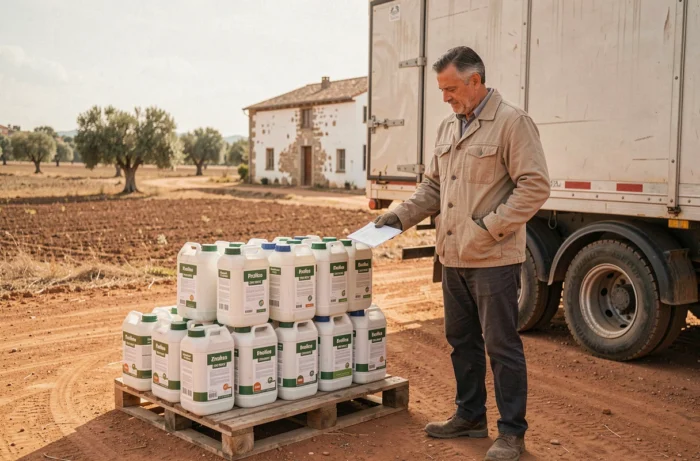
The mention “glyphosate 360” refers to an active substance concentration, not a universal instruction manual. Two formulations at 360 g/L may contain different co-formulants, which alters their effectiveness, toxicity, and authorized application conditions.
The Portuguese label specifies the crops or situations of use (vineyards, olive groves, fallow land, uncultivated areas), the dose per hectare, the dilution water volume, and the re-entry interval into the plot. This information takes precedence over any advice found on a forum or foreign website.
European approval conditions also impose specific restrictions: buffer zones near watercourses, application periods, prohibition of pre-harvest desiccation on certain crops. These restrictions are listed on the label of the product authorized in Portugal and vary from one product to another.
Common Brands on the Portuguese Market
Roundup (Bayer, formerly Monsanto) remains the best-known brand. Syngenta also markets glyphosate-based formulations under other commercial names. Generic manufacturers offer equivalent products at reduced prices, provided they are registered in the DGAV register. Prices vary according to packaging (1 L, 5 L, or 20 L containers) and distribution channels.
Comparing prices between cooperatives and online distributors allows for identifying significant discrepancies, especially on large packages intended for farms.
The purchase of glyphosate 360 in Portugal is based on a simple principle: check the DGAV register, ensure the compliance of the Portuguese label, and go through an authorized seller. The European regulatory framework sets the main guidelines, but it is the national authorization that determines what can legally be purchased and used on Portuguese soil.